


Live blackjack decks used in Australian online casinos deserve more attention than the number of tables on screen. Six-deck shoes may reduce shuffling pauses, while single-deck games can alter table rules and betting patterns. The practical question is how each setup performs on a phone, whether navigation stays clear, and how sessions feel when Brisbane players are checking live games between other commitments. Legal context matters too: casino wagering rules vary, and an overseas operator is not automatically licensed or regulated in Australia.
What Deck Setups Mean for Australian Players

A shoe holds multiple card decks used together, reducing the need to reshuffle after every round. Live blackjack decks used by operators commonly feature six or eight decks, with occasional single-deck tables. More decks generally smooth card distribution and can reduce visible patterns, but they do not change the house edge on every hand. Rules such as blackjack paying 3:2, dealer stands on 17, and split/double options matter just as much.
For mobile sessions, single-deck tables can feel brisk because fewer cards are dealt, but frequent shuffles may interrupt the stream. Six-deck shoes offer steadier pacing if the studio maintains a continuous feed. Eight-deck layouts often support lower minimums and broader side-bet choices, although betting limits – not deck count – determine which bankroll fits.
Brisbane players should compare actual rules and limits rather than assuming one format suits everyone. A AU$0.50 table may be useful for measured practice, while AU$5 minimums suit higher-stakes players. Picklebet’s legal view is straightforward: deck mechanics help explain a game, but they cannot establish operator status, fairness, or responsible play.
Mobile Performance and Navigation Compared
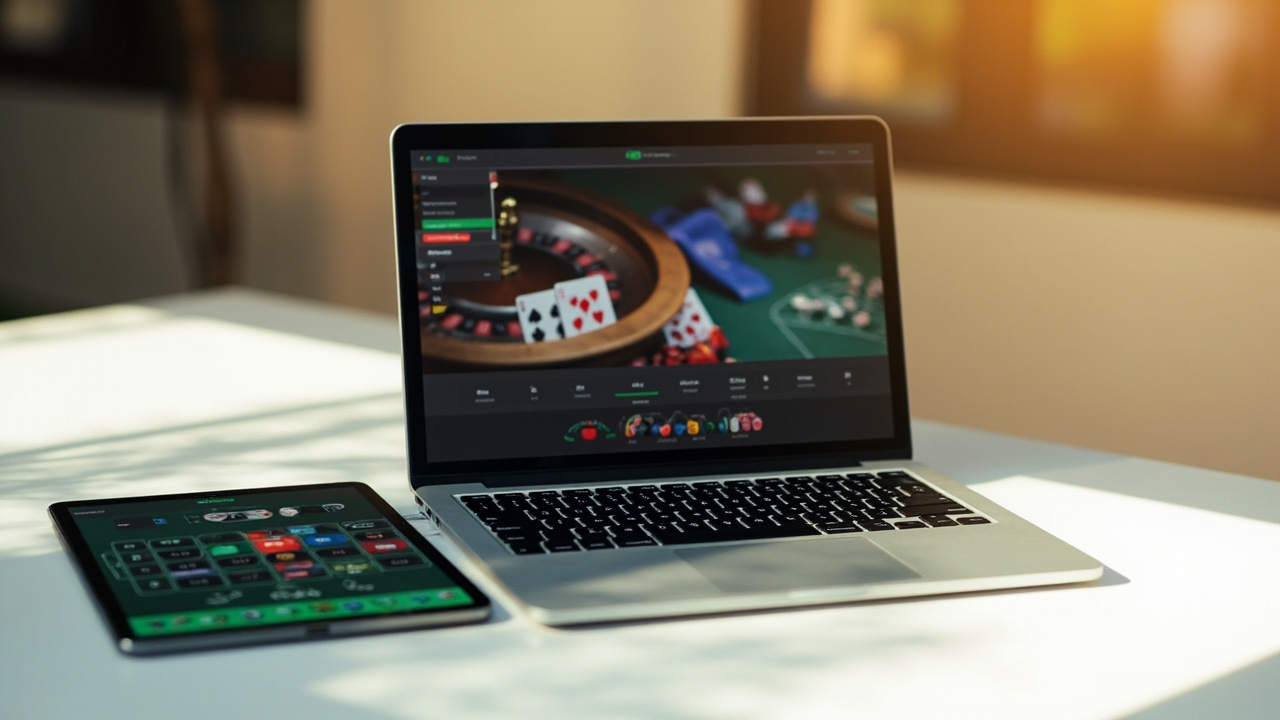
The strongest live blackjack interface puts the card view, chip controls, bet history and table rules within easy thumb reach. Portrait mode should preserve readable card values without forcing constant pinch-and-zoom. The main bet spot, repeated stake controls and an obvious “Deal” button reduce mistakes, while landscape mode can suit larger displays.
Live blackjack decks used across the same studio may differ in statistics, optional side bets and rule displays. A table showing recent rounds is useful, but too many animations can drain battery and data. Busy as a Brisbane commute can be, a laggy stream creates poor decisions: players should wait for the bet timer, confirm the stake, and avoid tapping again if the action has already started.
From a legal and product-governance perspective, clear disclosures deserve as much attention as performance. The lobby should show currency, table minimum, maximum, available blackjack rules and any fee affecting settlements before the first wager. Support should be reachable without leaving a live table. If the connection weakens, the safest response is to let the round finish rather than attempting to bypass verification, location controls or platform safeguards.
Which Setup Fits Three Player Scenarios
A short-session player may prefer a six-deck table with a five-minute round and a AU$0.50 minimum. It offers enough pacing continuity for checking a hand during a lunch break, provided the mobile interface remains responsive. The goal is controlled exposure, not extra play, and session reminders can help prevent the next round becoming automatic.
A rule-focused player might examine single-deck options because fewer decks used can make card-counting discussions more visible, though counting remains prohibited where terms forbid it. More important are the table rules: dealer stands on soft 17, blackjack pays 3:2, and double after split is available. Eight-deck tables may be quieter, but each round takes slightly longer.
A budget-limited player should prioritise low stakes and transparent limits. A AU$1 minimum can extend observation time, but it does not reduce the inherent house edge. Similarly, side bets may add convenience and variety while carrying separate limits and mathematical costs. Players should never treat them as guaranteed income.
Before joining a live table, Australian players can compare studio options through https://gatesofolympusdemoau.com/ while keeping separate reminder settings for play, deposits and withdrawals. Anyone comparing live blackjack without wagering should read live blackjack without wagering and check current Australian rules directly.
Choosing a Table Without Chasing Outcomes
First, confirm that the operator accepts Australian residents and displays terms relevant to your location; do not attempt to evade geo-restrictions. Second, open the game on your usual mobile browser or app and check portrait readability, touch responsiveness and connection stability. Third, read the rules panel, noting the number of decks, dealer standing rule, blackjack payout, minimum stake and side-bet limits. Fourth, set a firm session budget and deposit ceiling before placing a chip.
Deck count alone does not make a table better. Six decks may suit smoother pacing, while a single-deck table may suit a different studio and rule set. For Auckland or Brisbane commuters, stable performance and unmistakable controls can matter more than decorative features. Keep identity verification accurate, avoid lending login credentials, and contact support if a transaction or display looks inconsistent.
Live blackjack decks used in mobile-first casinos should be judged by rules, clarity and speed together. For Australian adults aged 18+, the sensible choice is the table you can understand, afford and leave when your limit is reached. No deck setup promises consistent wins, and no interface changes the underlying risk. Treat every wager as entertainment, and use available responsible gambling tools.

